 Owned
Owned

Mon-Fri 9am - 5pm Mountain time
Cart reopens in October
Subscribe to our email list
to stay updated
Northern Pin Oak vs Hardy Pecan
Carya illinoinensis
Quercus ellipsoidalis
NOT AVAILABLE THIS SEASON - MIGHT RETURN
NOT AVAILABLE THIS SEASON - MIGHT RETURN
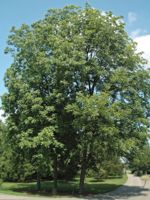
Hardy Pecan trees are known for their edible nuts that ripen in late autumn. They can be eaten raw or cooked and can be used in a wide range of baked goods. If stored properly in a cool, dry location, they can be kept for up to 6 months in their shell. Trees tend to bear nuts at maturity, which occurs around 6 -10 years. The size and form of this tree also makes it a great shade or feature tree for your landscape.
For nut production, it is recommended that at least 2-3 are planted so that cross pollination can occur. In colder areas it is likely that nut production will be limited, especially in locations with late frosts and shorter growing seasons.
If exposed to high winds, Hardy Pecan is known to lose branches, but these can be used as firewood, or to smoke foods with a hickory flavour. Finding seed or seedlings of this tree is rare in Canada.
Note: plant this tree once. It will not respond well to transplanting.
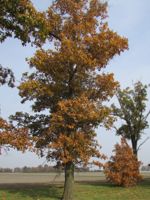
Northern Pin oak has an attractive but irregular rounded crown with lower hanging branches. This species is one of the few oak species recommended for the prairies and colder areas. Northern Pin Oak prefers drier habitats.
The spectacular fall leaf color of this tree is the primary reason for its popularity. Fall leaves turn orange and red to reddish brown.
Squirrels, jays, deer, and similar animals love its acorns.
Note: Most Oak species can be considered toxic for many animals.