 Owned
Owned

Black Walnut vs Northern Pin Oak
Juglans nigra
Quercus ellipsoidalis
NOT AVAILABLE THIS SEASON - MIGHT RETURN
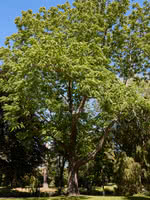
The Black Walnut is a slow growing, large, straight-stemmed tree with an open crown. It produces dense, very hard, edible nuts.
Black Walnut has a deeply-furrowed, black bark. Its leaves are about 1 foot long, composed of 15 - 23 slightly stalked leaflets on a moderately stout stock which provide good dappled shade.
Despite being highly valued for its edible nuts and its shade tree aesthetics, it is rare to see this tree on the prairies.
Note: Black Walnut's roots produce a substance named juglone that is toxic to some other plants. Consider this when choosing where you plant a black walnut, as you will not be able to grow tomato, potato, cabbage, eggplant, blueberry, azalea, rhododendron, lilac, red pine and apple in the surrounding area.
Note: Plant this tree once. It will not respond well to transplanting.
Note: Although self-pollinating, planting two trees significantly improves nut production.
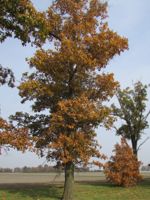
Northern Pin oak has an attractive but irregular rounded crown with lower hanging branches. This species is one of the few oak species recommended for the prairies and colder areas. Northern Pin Oak prefers drier habitats.
The spectacular fall leaf color of this tree is the primary reason for its popularity. Fall leaves turn orange and red to reddish brown.
Squirrels, jays, deer, and similar animals love its acorns.
Note: Most Oak species can be considered toxic for many animals.