 Owned
Owned

Yellow Hedysarum vs Blue Grama Grass
Hedysarum sulphurescens
Bouteloua gracilis
CUSTOM GROW
NOT AVAILABLE THIS SEASON - MIGHT RETURN
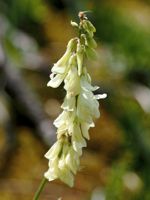
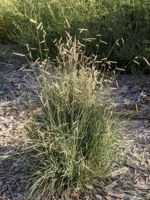
Yellow Hedysarum is a native perennial wildflower recognized for its clusters of pale yellow to creamy-white, pea-like blooms. Flowering from late spring into summer, it adds subtle colour to grasslands, roadsides, and open woods while attracting a variety of pollinators, especially bumblebees.
As a nitrogen-fixing plant, Yellow Hedysarum enriches soils and supports the growth of surrounding vegetation. Its deep taproot and extensive root system make it drought-tolerant and effective at stabilizing soil. Grizzly bears are known to dig up and eat the nutritious taproot. Its resilience and ecological value make it well-suited for restoration, naturalization, pollinator gardens, and erosion control projects.
Blue Grama is a native perennial bunchgrass recognized for its blue-green blades and unique seed heads. They grow along one side of the stem and are often compared to eyelashes, eyebrows, or mosquito larvae, which inspired its common names, Eyelash Grass and Mosquito Grass. As the seed heads begin to dry in the fall, they curl, further enhancing the plant’s distinctive appearance. The seeds provide food for birds, and the grass serves as a host plant for certain species of skipper butterflies.
As a warm-season grass, Blue Grama has a slow start in spring and does not actively grow until soil temperatures rise. Its deep roots help with erosion control, and the grass is drought-tolerant once established, thriving even in poor or alkaline soils. It is well-suited for soil stabilization, naturalization, restoration projects, or as an ornamental accent in gardens and landscapes.